What happens when you go on an anti-inflammatory diet? Your body reacts to anything unfamiliar, like bacteria or pollen. Inflammation is a natural part of the immune response, but too much inflammation can harm your health. It can lead to issues like heart disease, diabetes, and arthritis. However, inflammation can sometimes become long-lasting. When it sticks around for days, weeks, or months, it can harm your health.
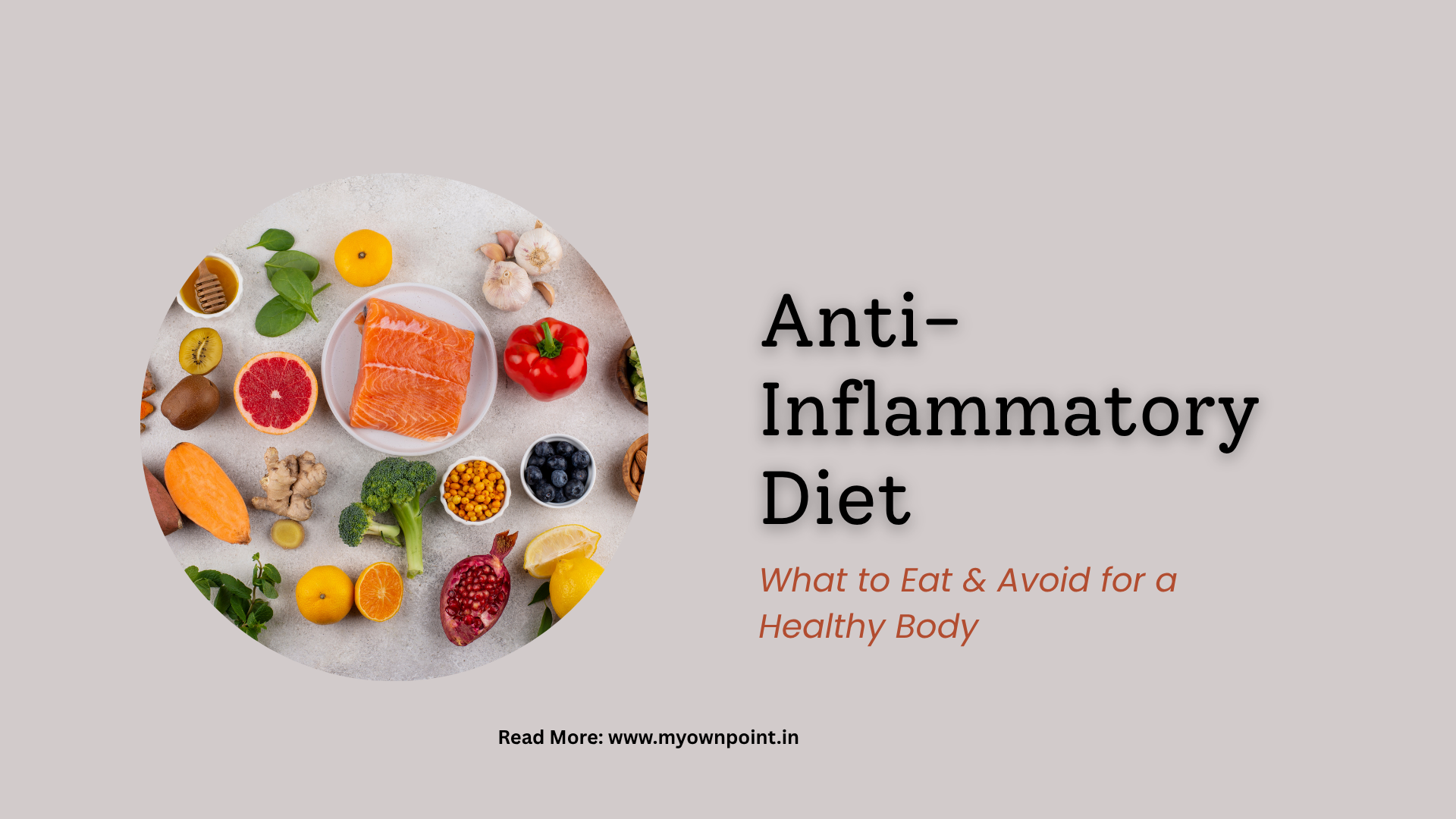
An anti-inflammatory diet includes foods that naturally lower inflammation and avoid foods that may raise it. Here is we explain dietary approaches to reduce inflammation and the harmful foods to avoid for a healthy lifestyle.
Also Read: High Protein Vegan Meals for a Healthy Lifestyle
What is an Anti-Inflammatory Diet?
An anti-inflammatory diet includes whole, unprocessed foods rich in nutrients and antioxidants. It focuses on eating healthy foods instead of inflammatory ones like processed sugar, trans fats, and refined carbs. This diet helps the body control inflammation and supports overall health.
Inflammation-Reducing Diet Benefits
Anti-inflammatory foods offers many health benefits:
- Lower Risk of Chronic Diseases: It decreases the chances of getting heart disease, diabetes, and arthritis.
- Better Gut Health: It supports a healthy gut, reducing bloating and digestive problems.
- Improved Brain Function: Omega-3s and antioxidants boost brain health.
- Weight Management: It promotes healthy eating habits for weight loss and maintaining a healthy weight.
- Stronger Immune System: It supplies nutrients that help the body fight infections naturally.
Also Read: Top 5 Complete Gym Accessories for Men 2025
Best Anti-Inflammatory Foods
1. Healthy Fats and Omega-3 Foods
Healthy fats contribute to reducing inflammation. Foods high in omega-3 fatty acids include:
- Fatty fish (salmon, sardines, mackerel)
- Flaxseeds and chia seeds
- Walnuts and almonds
- Extra virgin olive oil
2. Turmeric and Inflammation
Turmeric has curcumin, which helps reduce inflammation—eating turmeric with black pepper or drinking golden milk to absorb it better.
3. Mediterranean Diet for Inflammation
The Mediterranean diet is one of the best diets for inflammation as it includes:
- Fresh fruits and vegetables
- Whole grains (brown rice, quinoa, oats)
- Healthy fats (olive oil, nuts, seeds)
- Lean protein (fish, legumes, poultry)
Also Read: What is Balanced Diet? Definition, Benefits, and Examples
4. Best Herbs for Reducing Inflammation
Several herbs have anti-inflammatory properties:
- Ginger – Helps with digestion and reduces muscle pain
- Garlic – Supports the immune system and fights inflammation
- Rosemary – Rich in antioxidants and improves circulation
- Cinnamon – Balances blood sugar levels and fights inflammation
5. Foods That Fight Inflammation
Some of the most powerful anti-inflammatory foods include:
- Berries (blueberries, strawberries, raspberries)
- Leafy greens (spinach, kale, Swiss chard)
- Tomatoes (rich in lycopene, an anti-inflammatory antioxidant)
- Green tea (contains polyphenols that reduce inflammation)
What Foods Are Good for Anti-Inflammation?
- Whole Foods vs. Processed Foods: Whole foods contain natural nutrients that help reduce inflammation, while processed foods often contain unhealthy fats and sugars that promote inflammation.
- Dairy and Inflammation – Is It Bad?: Some people are sensitive to dairy, which may trigger inflammation. Opt for alternatives like almond milk, coconut yogurt, or lactose-free dairy if needed.
- Sugar and Inflammation Link: Excessive sugar intake leads to insulin resistance and chronic inflammation. Replace refined sugar with natural sweeteners like honey or maple syrup.
Also Read: How to Burn Calories Without Exercise At Home Without Equipment?
Anti-Inflammatory Diet Food List (What to Eat & Avoid)
Foods to Eat:
- Fatty fish (salmon, tuna, mackerel)
- Leafy greens (spinach, kale, collard greens)
- Whole grains (brown rice, quinoa, oats)
- Nuts and seeds (walnuts, flaxseeds, chia seeds)
- Fruits (berries, citrus fruits, apples)
- Herbs and spices (turmeric, ginger, garlic)
- Healthy oils (extra virgin olive oil, avocado oil)
Foods to Avoid:
- Processed meats (hot dogs, sausages, bacon)
- Refined carbohydrates (white bread, pasta, pastries)
- Sugary drinks (sodas, energy drinks, sweetened coffee)
- Trans fats (fried foods, margarine, processed snacks)
- Excessive dairy (full-fat milk, processed cheese)
Anti-Inflammatory Meal Plan (1-Day Example)
Breakfast:
- Oatmeal with chia seeds, blueberries, and honey
- Green tea with a dash of turmeric
Lunch:
- Grilled salmon with quinoa and steamed broccoli
- Side of mixed greens with olive oil dressing
Snack:
- Handful of walnuts and almonds
- Fresh fruit (apple or orange)
Dinner:
- Stir-fried tofu with brown rice and roasted vegetables
- Herbal tea (ginger or chamomile)
Also Read: Lose Weight in 15 Days With Jeera Water
Exercise and Anti-Inflammatory Benefits
Regular exercise plays a significant role in reducing inflammation by:
- Lowering stress and balancing hormones: Reduce stress and keep hormones balanced.
- Improving circulation and oxygen flow: Enhance blood flow and oxygen delivery.
- Reducing excess body fat: Reducing extra body fat that causes inflammation.
- Boosting endorphins: Increase endorphins to strengthen the immune system
How to Reduce Inflammation Naturally
- Drink at least 8 glasses of water each day.
- Aim for 7 to 9 hours of good sleep every night.
- Use stress management techniques like meditation and yoga.
- Don’t smoke and limit how much alcohol you drink.
Final Thoughts
An anti-inflammatory diet is a long-term method that helps prevent chronic diseases and improve health. You can lower inflammation by eating healthy fats, omega-3 foods, herbs, and whole foods while avoiding processed sugars and trans fats. Combining this diet with regular exercise and a balanced lifestyle leads to lasting benefits.
Also Read: Transform Your Health: Intermittent Fasting Diet Plan for Weight Loss