Anal fistulas are not only uncomfortable but also notoriously difficult to heal without the right approach. Even after surgical intervention, recovery from this condition demands more than procedural success. Nutrition plays a crucial role in helping the body repair damaged tissue and maintain healthy bowel function.
A growing number of patients today are aware that diet can either support or hinder their healing journey. That is why an experienced Proctologist emphasizes adopting a high-fiber, high-protein diet for anal fistula recovery. The right foods can ease discomfort, reduce complications, and promote faster recovery.
During the recovery phase, it is also common for patients to face appetite changes or digestive sensitivities. Many find that plant-based meals are easier to tolerate while still meeting nutritional needs. For this reason, resources such as High Protein Vegan Meals offer helpful ideas to maintain a protein-rich diet in ways that are both gentle on digestion and supportive of healing.
Also Read: Choosing the Best Hair Transplant Clinic: Key Points to Know
Importance of Diet for Anal Fistula Recovery
Anal fistula surgeries whether involving fistulotomy, LIFT procedures, or seton placements create wounds that heal from the inside out. For optimal healing, the body must produce new tissue, control inflammation, and fight off potential infections. Nutrition fuels all of these processes.
Fiber ensures that bowel movements remain soft and regular, minimizing the risk of strain during defecation. Without adequate fiber, hard stools can cause trauma to the surgical site, slow healing, and provoke further discomfort. On the other hand, a well-balanced fiber intake can significantly reduce pain and protect the area as it heals.
Protein is equally vital. It provides the amino acids necessary for rebuilding connective tissue, skin, and blood vessels. Protein supports collagen formation, immune responses, and general tissue integrity, all of which are critical in the weeks following surgery. Without enough protein, healing may be delayed or incomplete, leaving patients vulnerable to prolonged recovery and even recurrence.
Fiber for Bowel Comfort and Prevention of Complications
One of the main concerns after fistula surgery is avoiding constipation. Straining not only disrupts the healing process but can also cause pain, bleeding, or even new tears in the fragile tissue.
A diet rich in both soluble and insoluble fiber helps prevent this. Soluble fiber softens stools by absorbing water, creating a gel-like texture that moves gently through the bowel. Insoluble fiber adds bulk, stimulating regularity and promoting comfortable bowel movements.
By maintaining this balance, patients can avoid the cycle of fear and tension that often accompanies post-surgical bowel movements. This, in turn, encourages better hydration and more consistent eating patterns, both of which support healing. It is common practice for Proctologists to recommend gradually increasing fiber intake after surgery while maintaining adequate hydration, ensuring that the bowel remains comfortable and functional throughout the recovery period.
Also Read: Embrace Top 5 Yoga Poses for Period Cramp Relief
Protein’s Role in Building New Tissue
After any surgery, the body’s need for protein increases. In the case of anal fistula surgery, protein is especially critical because the wound environment is prone to both infection and mechanical stress. Tissue repair, collagen synthesis, and immune defense all rely on a steady supply of amino acids, the building blocks of protein.
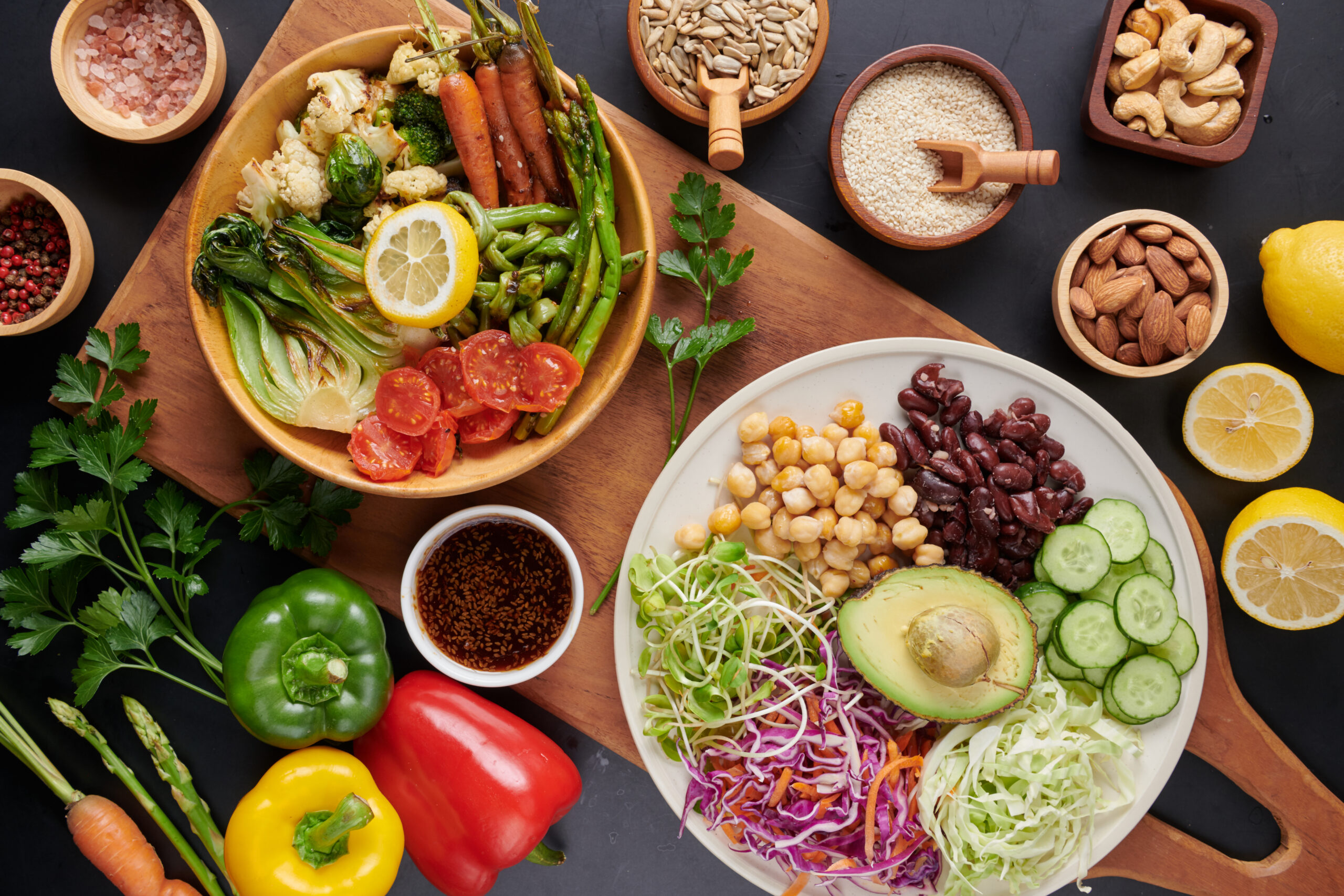
Unfortunately, many patients struggle with appetite during recovery. Pain, fatigue, and anxiety can lead to inadequate food intake. This is why easy-to-digest, high-quality protein options are so helpful. For those who prefer or tolerate plant-based meals better after surgery, guides provide an excellent starting point. Plant-based proteins such as lentils, tofu, tempeh, quinoa, and nuts can be both nourishing and gentle on the digestive system.
When combined with an adequate fiber intake, these proteins help promote not just healing of the fistula tract but also maintenance of lean body mass, improved immunity, and more stable energy levels during recovery.
How Proctologists Advise Patients on Fistula Diet After Surgery
Experienced Proctologists understand that diet can significantly influence outcomes after anal fistula surgery. In addition to performing the necessary surgical intervention, they routinely advise patients on dietary adjustments to help speed up recovery and reduce complications.
During follow-up visits, discussions often include an assessment of fiber and protein intake, hydration levels, and overall gut health. Patients are encouraged to build meals that include both fiber and protein, along with a variety of vitamins and minerals that further support tissue healing.
Hydration is also emphasized. Without sufficient water intake, even a fiber-rich diet can lead to bloating or constipation, precisely the outcomes patients want to avoid after surgery. By balancing fiber with fluid, patients can help maintain soft, regular stools throughout recovery.
Also Read: Ultimate 2500 Calorie Meal Plan for Gym-Goers to Shred Fat
Maintaining Good Nutrition Beyond Recovery
The benefits of a high-fiber, high-protein diet do not end once the surgical wound has closed. Many of the factors that contribute to fistula formation, such as chronic constipation, poor gut health, or inflammatory conditions, can be managed, in part, through long-term dietary habits.
By continuing to follow the nutritional guidance offered by their Proctologist, patients can reduce their risk of recurrence and maintain healthier bowel function going forward. Keeping up with regular fiber intake, choosing lean or plant-based proteins, and avoiding highly processed or irritating foods can all contribute to better long-term outcomes.
Moreover, sustained attention to diet supports overall digestive health, which benefits not only the anorectal area but also energy, mood, and immune function.
Conclusion
Recovering from anal fistula surgery involves more than waiting for the wound to heal. Nutrition plays an active and powerful role in supporting tissue repair, minimizing discomfort, and preventing complications. A high-protein, high fiber diet helps regulate bowel function, reduces strain on the healing site, and supplies the body with the resources it needs for effective recovery.
Proctologists know that their patients see the best outcomes when they combine surgical care with good dietary practices. By following this advice and by using helpful resources to keep meals both nourishing and digestible, patients can give themselves the best possible chance for a smooth, lasting recovery.
Through mindful nutrition and collaboration with their healthcare team, those recovering from fistula surgery can reclaim comfort, improve bowel health, and move forward with confidence.
Also Read: Managing Skin Issues in Diabetes With an Expert Treatment
Annu Seepal