Achieving optimal hair health and transplant success with nutrition isn’t just a trend—it’s a science-backed strategy. In this blog, we explore how essential nutrients, balanced meals, and smart dietary choices can support scalp health, enhance hair growth, and maximize your transplant results naturally.
Hair loss is a deeply personal concern, one that touches self-image, confidence, and even emotional well-being. For many men and women, when hair thinning or balding progresses beyond the early stages, hair transplant surgery becomes an attractive solution. The ability to restore a fuller hairline and natural density through modern surgical techniques is a life-changing option for many.
But the success of this process is not determined by surgery alone. Many underlying factors, particularly nutrition and general hair health, play an important role both before and after a transplant. Understanding this connection is key for patients considering the best hair transplant clinic approach for their needs.
Imbalances in the body’s nutritional status often show early signs through hair, whether in thinning, fragility, or even premature graying. For those exploring how deficiencies might be linked to hair problems, resources like Vitamin Deficiencies that often cause white hair offer useful insights. Maintaining balanced nutrition both before and after surgery contributes not only to better transplant results but also to healthier, stronger hair overall.
Also Read: What Is Balanced Diet? Definition, Benefits, and Examples
How Hair Loss and Nutrition Are Connected
Hair growth is a dynamic process, dependent on the body’s internal health. Hair follicles require steady supplies of amino acids, vitamins, minerals, and oxygen to cycle through their growth phases. When deficiencies occur, whether in iron, vitamin D, zinc, biotin, or certain B vitamins, hair follicles may enter a resting phase or produce weaker strands.
In many cases, early hair loss is multifactorial: influenced by genetic predisposition, hormonal changes, stress, and nutritional gaps. A holistic evaluation before proceeding with a transplant often helps clarify what role each of these elements may be playing. Correcting underlying imbalances improves not only the appearance of existing hair but also the scalp’s readiness for surgical restoration.
When considering the best hair transplant approach, clinics often recommend pre-surgical optimization of nutrition to ensure transplanted follicles receive the nourishment they need to thrive.
Why Pre-Surgery Health Affects Transplant?
Hair transplant surgery, whether done through Follicular Unit Extraction (FUE) or Follicular Unit Transplantation (FUT), is ultimately a process of relocating living hair follicles from one area of the scalp to another. For these follicles to survive and grow successfully in their new location, the scalp environment must be as healthy as possible.
Factors such as scalp circulation, collagen production, and local immune balance influence graft survival. Patients who enter surgery with adequate nutrition, good skin condition, and stable blood flow generally experience faster healing and stronger growth from transplanted grafts.
Conversely, deficiencies in nutrients like iron or vitamin D may impair healing and prolong the post-surgical recovery phase. Addressing these issues early, often in consultation with both a dermatologist and a hair transplant surgeon, helps set the stage for optimal outcomes.
Also Read: Lose Weight in 15 Days With Jeera Water
What Defines the Best Hair Transplant Success?
With so many clinics and techniques available today, patients often ask what makes for the best hair transplant experience. The answer lies not just in surgical skill, though that is critical, but also in the clinic’s commitment to holistic care.
Clinics that evaluate the patient’s full hair health, scalp condition, lifestyle factors, and nutritional status are better positioned to tailor treatment. They help patients understand realistic goals, the number of sessions required, and post-operative care needed for lasting success.
This patient-centered approach includes pre-surgical counseling about diet, supplements (when indicated), and scalp care. It also involves long-term follow-up to ensure transplanted hair remains healthy and blends naturally with surrounding follicles as hair loss patterns evolve.
The Role of Post-Surgical Nutrition
After a transplant, the body requires resources to support healing and regrowth. Just as nutrition matters before surgery, it remains vital afterward.
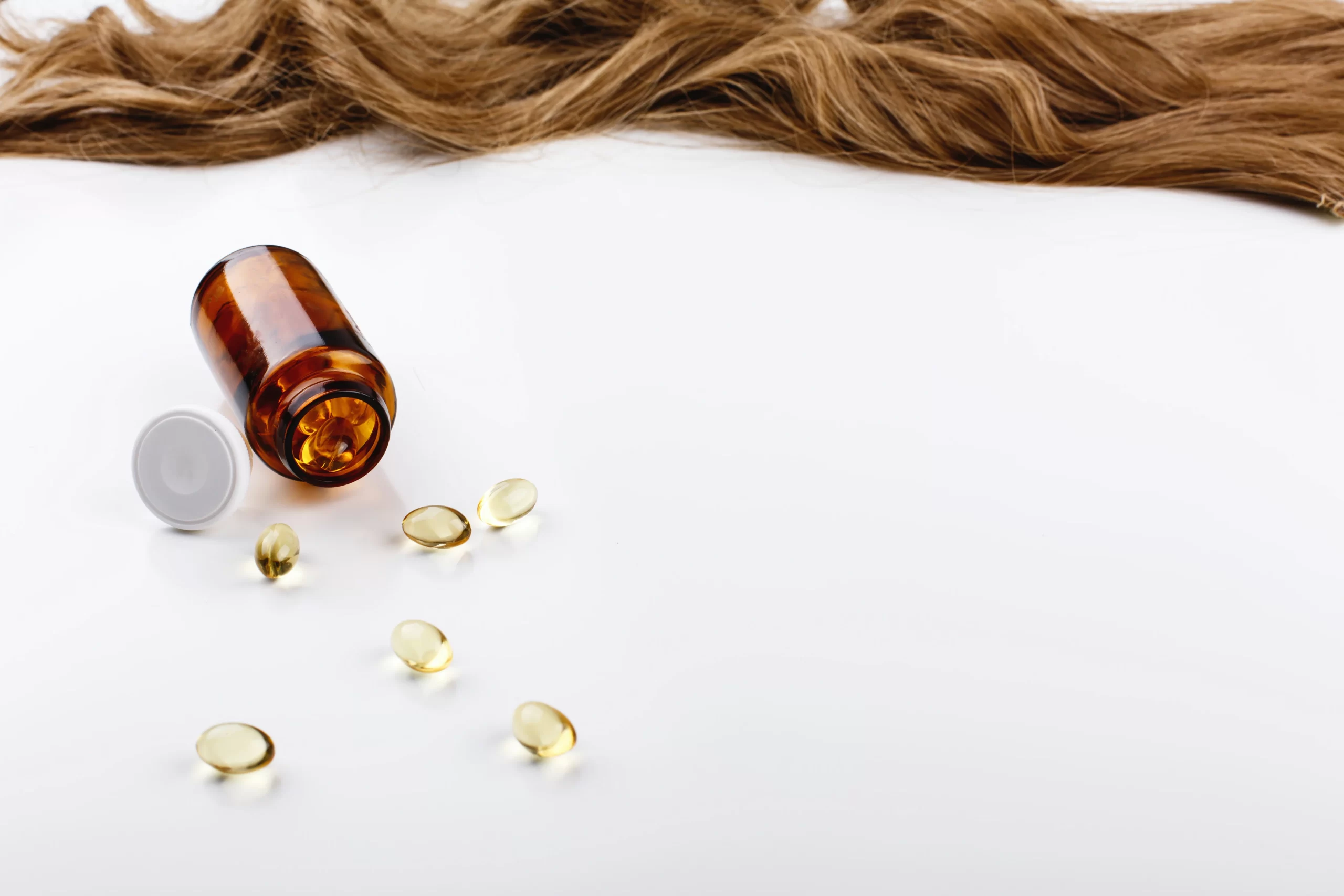
Protein intake supports collagen formation and tissue repair. Iron ensures adequate oxygen delivery to healing tissues. Vitamins C and E help control inflammation, while zinc supports new cell growth. Omega-3 fatty acids from diet or supplements may also benefit scalp health and improve the overall condition of the hair.
Patients who maintain a balanced, nutrient-rich diet after their procedure generally report faster recovery and better density as new hair grows in. It’s no coincidence that top surgeons often recommend basic nutritional support as part of post-transplant care.
Managing Expectations Through EducationPatients need to understand that no single intervention, even the best hair transplant, can reverse all aspects of hair loss if underlying factors aren’t addressed. For example, if ongoing nutritional deficiencies remain uncorrected, new hairs may lack the thickness or resilience desired.
A well-informed patient is more likely to achieve satisfying, lasting results. This is why education about hair cycles, transplant limitations, scalp care, and overall health should be part of every clinic’s approach.
Also Read: High-Fiber and High-Protein Diet for Anal Fistula Recovery
Long-Term Maintenance for Stronger Hair And Transplant Success With Nutrition
Hair restoration is not a one-time event; it’s an ongoing process of maintaining scalp and hair health as the body changes over time. Even after a successful transplant, patients must remain mindful of nutrition, stress management, and hair care practices.
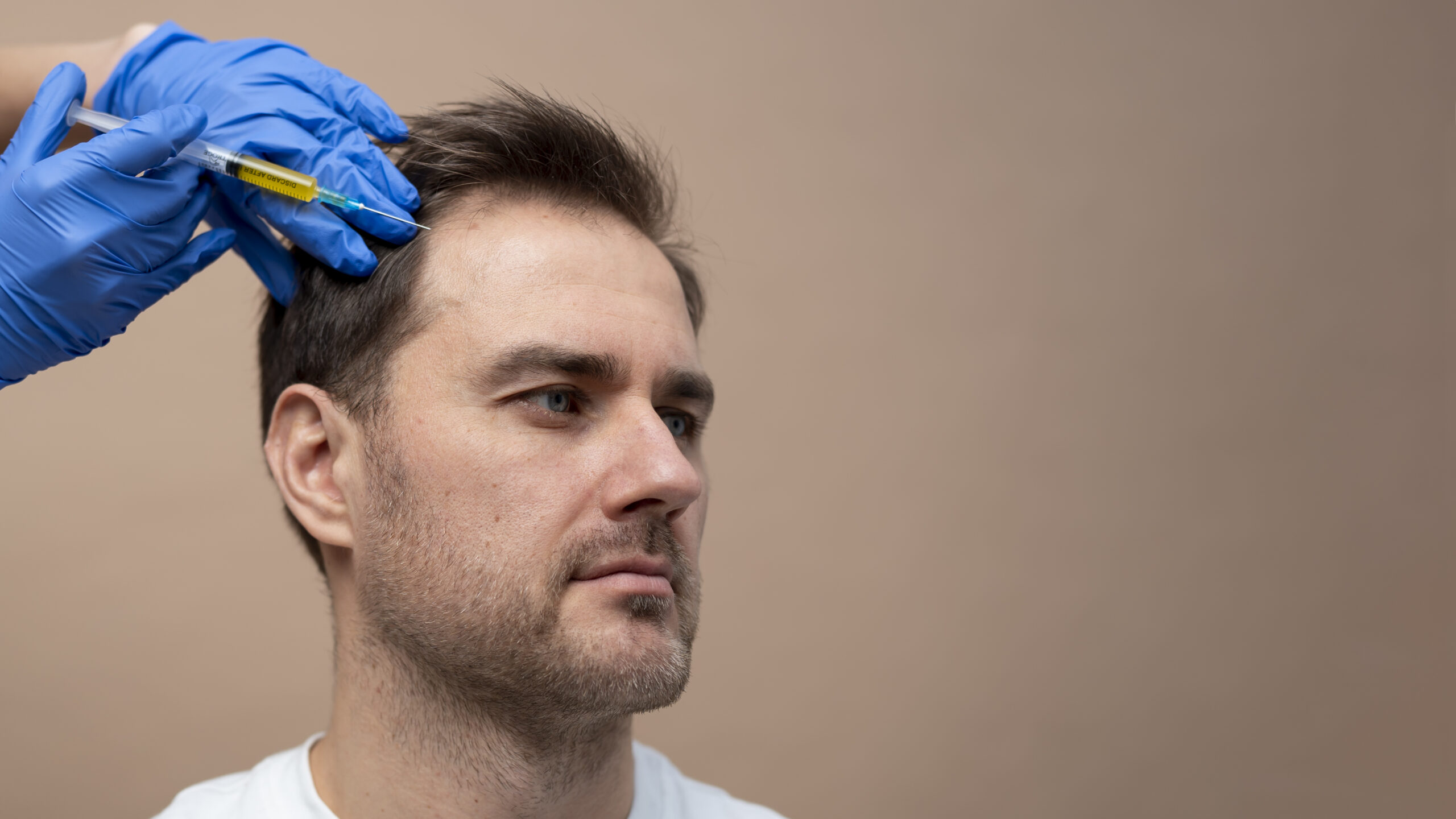
Many clinics now offer adjunctive therapies such as PRP (platelet-rich plasma), microneedling, or low-level laser therapy to complement surgical results. These approaches work best when the body is well-supported nutritionally and metabolically.
For the patient, this means taking an active role: following the clinic’s aftercare guidance, staying hydrated, consuming nutrient-dense foods, and using gentle, high-quality hair care products.
Conclusion
Hair transplantation offers transformative potential for those affected by thinning or balding. But great results depend on more than surgical technique alone. The connection between nutrition, overall hair health, and transplant success is clear, and patients who embrace this understanding tend to see the best outcomes.
For anyone considering the hair transplant approach, taking time to address nutritional factors is a wise investment. Building a strong foundation through balanced eating and learning about key nutrients through resources supports not just post-operative healing, but long-term hair strength and resilience.
By working closely with skilled surgeons and staying committed to overall hair health, patients can enjoy natural-looking, lasting results that restore both their hair and their confidence.
Also Read: Supercharge Wellness with Endoscopy to Improve Gut Health