Child health is not limited to treating illnesses after birth. Child health from birth to adolescence is a lifelong process that starts before pregnancy and continues through infancy, childhood, and adolescence. In child growth and development, multiple factors, including prenatal care, genetics, early nutrition, timely medical interventions, and a supportive environment and development, affect emotional well-being and long-term health.
Parents today are increasingly aware that early decisions can influence a child’s lifelong health. From planning pregnancy responsibly to monitoring growth milestones and managing childhood conditions, a proactive approach makes a measurable difference.
Also Read: How Specialized Care and Interventional Radiologists Shape Health
When Does Child Health Begin?
The foundation of early childhood health is laid long before delivery. Maternal health, nutrition, stress levels, and medical care during pregnancy directly influence fetal development. Conditions such as low birth weight, congenital abnormalities, and developmental delays are often linked to prenatal factors.
For families who face difficulty conceiving naturally, assisted reproductive technologies offer a pathway to parenthood. Choosing a medically advanced and ethically sound Best IVF Centre plays a critical role not just in achieving pregnancy, but also in supporting healthy fetal development through careful monitoring, screening, and maternal guidance.
IVF pregnancies are closely followed to reduce risks and identify concerns early. This careful supervision often leads to early detection of growth issues, heart abnormalities, or genetic conditions, allowing for timely planning and intervention as part of comprehensive pediatric health care.
Why is Screening Important in Early Childhood?
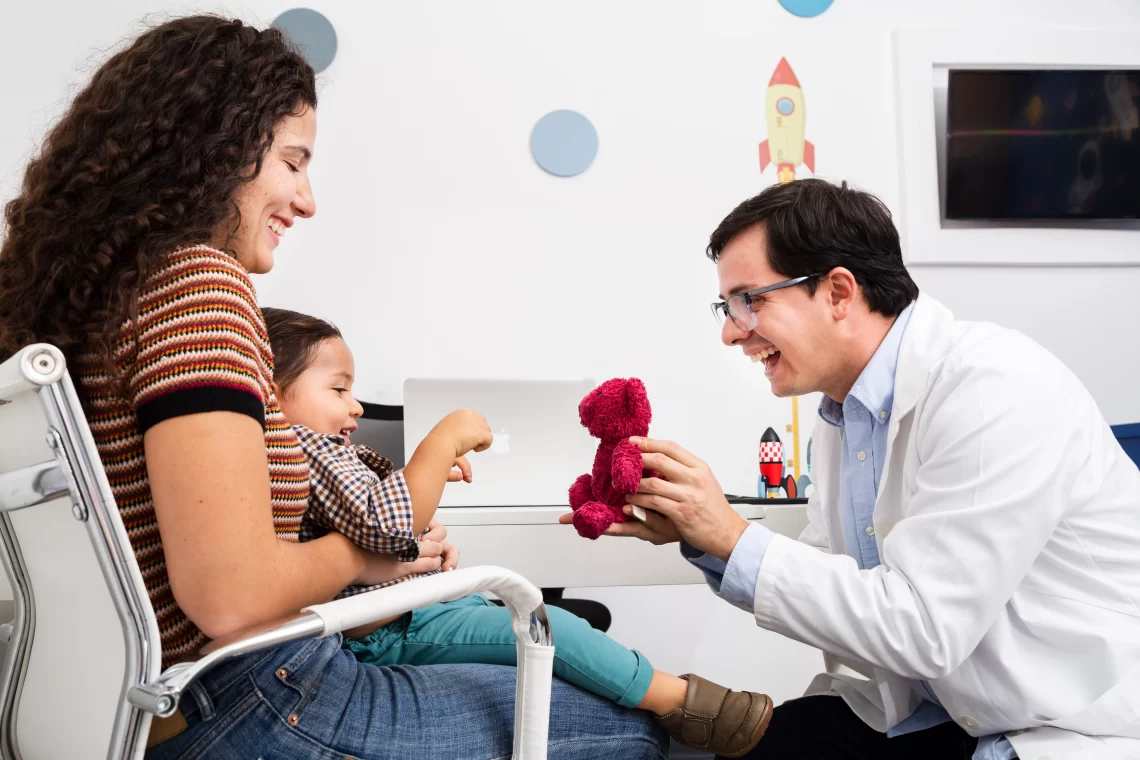
Once a child is born, regular health checkups are essential. Pediatric evaluations focus on growth patterns, motor development, vision, hearing, nutrition, and early signs of disease. Many childhood conditions are subtle in early stages but become serious if overlooked.
Heart-related conditions in children are a strong example. Some congenital heart defects are present at birth but may not cause obvious symptoms initially. Others develop or become noticeable as the child grows. Early diagnosis improves treatment outcomes and helps children lead active, normal lives.
Routine screenings, vaccinations, and growth monitoring create a safety net that protects children during their most vulnerable years.
Also Read: Shocking Vitamin Deficiencies That Cause White Hair Early in Life
Understanding Heart Health in Children
The heart plays a vital role in a child’s growth and energy levels. Pediatric heart conditions range from simple murmurs that resolve on their own to complex structural abnormalities requiring medical or surgical care.
A Pediatric Cardiologist is a specialist trained to diagnose and manage heart conditions in infants, children, and adolescents. These experts are an essential part of child growth and development and childhood cardiac care.
Early referral to a pediatric heart specialist can prevent complications such as delayed growth, breathlessness, fatigue, or recurrent infections. With advances in medicine, many children with heart conditions now grow into healthy adults with minimal limitations.
What Role Does Nutrition Play in Child Health?
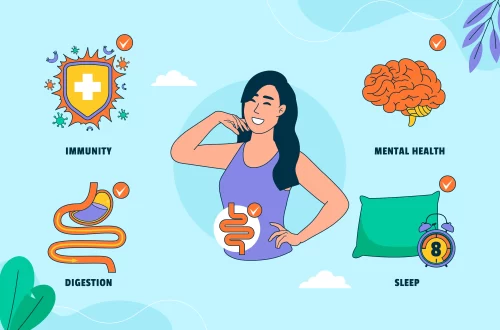
Nutrition is one of the most powerful influences on child health. From brain development to immune strength and bone growth, every system depends on adequate and balanced nutrition.
In early life, breastfeeding or appropriate formula feeding supports immunity and digestion. As children grow, diets rich in fruits, vegetables, whole grains, proteins, and healthy fats help prevent anemia, obesity, and micronutrient deficiencies.
Poor nutrition can worsen existing medical conditions, slow recovery, and affect cognitive development. Children recovering from medical treatments or surgeries often need targeted nutritional support to regain strength and resilience.
Also Read: Ultimate Scalp Care Routine for Strong Hair At Home
What are The Signs of Healthy Emotional Growth?
Child health is not only physical. Emotional well-being is equally important. Chronic illness, frequent hospital visits, or developmental challenges can affect a child’s confidence and social development.
Supportive parenting, open communication, and age-appropriate explanations help children cope better with medical conditions. Schools, counselors, and pediatric care teams play a role in creating a safe environment where children feel understood rather than defined by their health challenges.
A healthy emotional foundation improves treatment adherence, learning outcomes, and overall quality of life.
Preventive Care and Long-Term Benefits
Preventive care is one of the most effective tools in child health. Vaccinations protect against life-threatening infections. Regular dental and vision checks prevent complications that affect learning and nutrition. Physical activity supports cardiovascular health, posture, and mental well-being.
Preventive strategies reduce long-term healthcare costs and help children develop healthy habits that continue into adulthood. Children who learn the value of balanced diets, hygiene, exercise, and routine checkups are more likely to become health-conscious adults.
Although focused on cancer care, the underlying concepts of nutrition-driven healing apply equally to children recovering from complex medical conditions.
Building a Supportive Environment for Children
Healthy children thrive in environments that support both physical and emotional growth. This includes safe housing, access to healthcare, nutritious food, education, and positive social interactions.
Parents and caregivers play a central role by observing changes, asking questions, and seeking timely medical advice. Early action often prevents small concerns from becoming long-term challenges.
Collaboration between parents, pediatricians, specialists, teachers, and nutritionists ensures that children receive comprehensive and coordinated care.
Conclusion (Child Health From Birth to Adolescence)
Child health is a journey that begins even before conception and continues through every stage of growth. Responsible fertility care, early screening, heart health monitoring, proper nutrition, and emotional support all contribute to a child’s long-term well-being.
By focusing on prevention, timely intervention, and holistic care, families can give children the strongest possible start in life. Healthy children are not just free from illness. They are physically active, emotionally resilient, and well-equipped to grow into healthy adults.