Many people, including celebrities and athletes, are switching to a no-gluten meal plan. Is a gluten-free diet right for you? According to many health experts often seen as a healthier lifestyle choice. However, not every diet works for everyone. While some people must avoid gluten for medical reasons, others follow the trend without knowing the actual benefits and risks. So, should you really go gluten-free? To decide, it’s important to understand what gluten is, who should avoid it, the potential advantages of a gluten-free lifestyle, and the possible side effects of cutting gluten out of your diet.
Also Read: Top 10 Anti Ageing Foods for Skin – You Need to Try Now
What is Gluten?
Gluten is a protein found in wheat, barley, and rye. It gives dough its elasticity, helps it rise, and provides a chewy texture to baked goods. While gluten itself is not harmful for most people, it can cause serious health problems for those with certain conditions.
Apart from bread, pizza, pasta, and cereals, gluten is often added to foods during processing for texture and flavor. Surprisingly, it can also be found in sauces, salad dressings, soy sauce, soups, processed foods, and even in products like ice cream, medicines, cosmetics, and dietary supplements. This makes avoiding gluten more challenging than it seems.
Gluten-Free Foods List
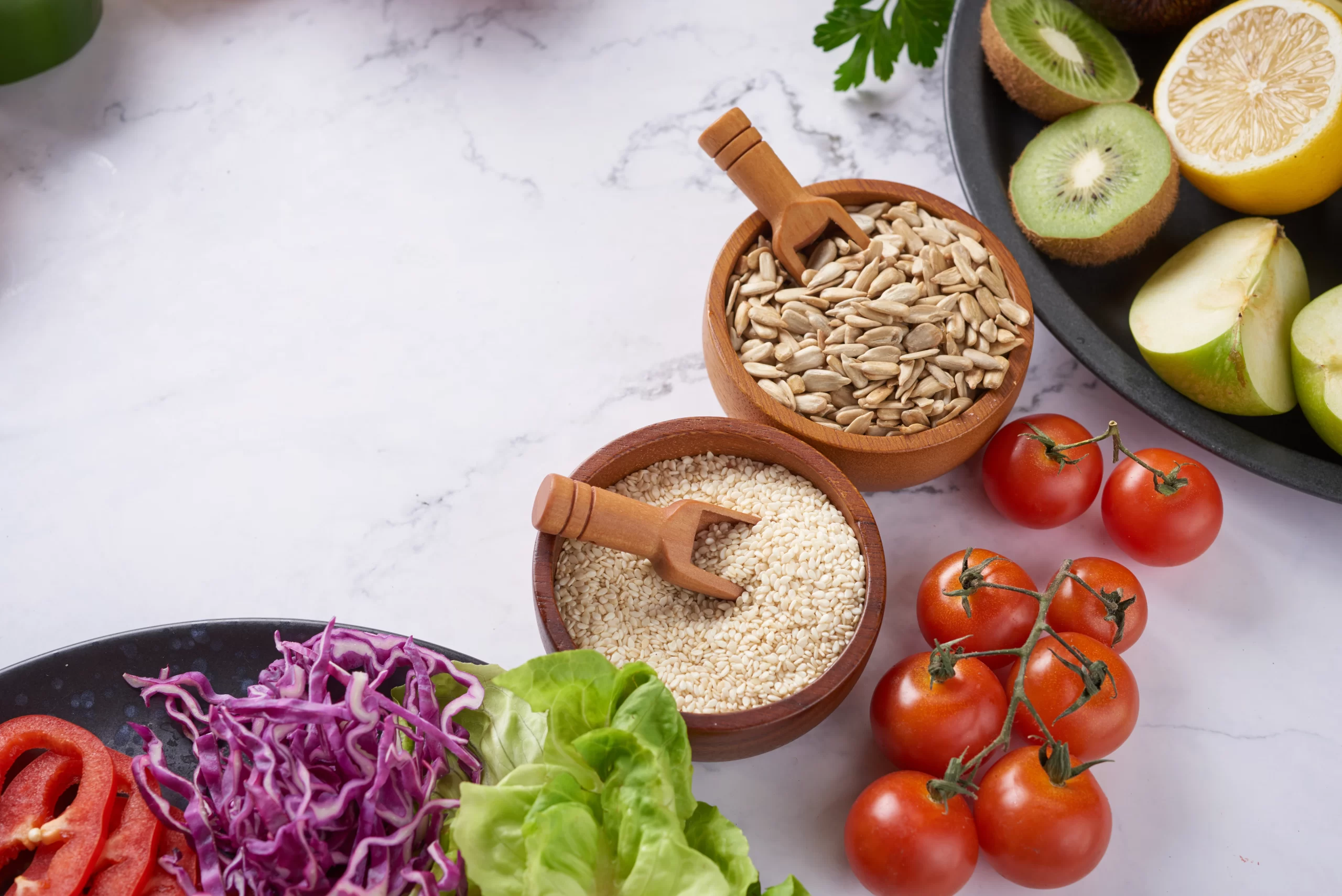
- Fruits & Vegetables – Apples, bananas, berries, oranges, spinach, carrots, broccoli.
- Gluten-Free Grains – Rice, quinoa, corn, buckwheat, millet, amaranth.
- Protein Sources – Eggs, chicken, fish, turkey, beef, lentils, beans.
- Dairy Products – Milk, cheese, yogurt, butter (check labels for additives).
- Nuts & Seeds – Almonds, walnuts, chia seeds, flaxseeds, sunflower seeds.
- Gluten-Free Flours – Almond flour, coconut flour, rice flour, chickpea flour.
- Gluten-Free Snacks – Popcorn, rice cakes, gluten-free oats, and nut butter.
- Beverages – Coffee, tea, fresh fruit juices, and coconut water.
Also Read: Red light therapy for Face: Benefits, Side Effects & Uses
Who Needs to Avoid Gluten?
1. Celiac Disease
Celiac disease is an autoimmune disorder where the body attacks the small intestine when gluten is consumed. This leads to inflammation, nutrient malabsorption, and digestive problems. People with celiac disease must strictly follow a gluten-free lifestyle
2. Non-Celiac Gluten Sensitivity (NCGS)
Some individuals experience bloating, fatigue, headaches, or abdominal discomfort when they eat gluten, even though they don’t have celiac disease. This condition is called NCGS. While there are no tests to diagnose it, many people find relief by avoiding gluten.
3. Wheat Allergy
Some people are allergic to proteins found in wheat. This can trigger skin rashes, breathing issues, or digestive problems. A gluten-free diet helps prevent allergic reactions.
4. Gluten Ataxia
A rare autoimmune condition where gluten damages the cerebellum, the part of the brain that controls movement and balance. This can cause coordination problems, and avoiding gluten is essential in such cases.
Also Read: 10 Best Sunscreens for Oily Skin Dermatologist Recommended In India
The Benefits of Following a Gluten-Free Diet
Going gluten-free can bring several health benefits, especially for those with medical conditions. Some of the main advantages include:
Relief from Digestive Problems
People with celiac disease or gluten sensitivity often experience bloating, diarrhea, and stomach pain. Removing gluten usually provides relief and improves digestion.
Better Nutrient Absorption
Celiac disease damages the intestinal lining, making it harder to absorb nutrients like calcium, iron, and vitamin D. A gluten-free diet allows the gut to heal and absorb nutrients more effectively.
Reduced Inflammation
Some individuals with autoimmune conditions notice reduced joint pain, skin problems, and overall inflammation when they cut out gluten.
Healthier Eating Habits
Choosing gluten-free foods often means cutting back on processed junk food and focusing more on whole foods like fruits, vegetables, lean proteins, and healthy grains.
Also Read: Chewing Gum for Facial Muscles to Reduce Face Fat
Negative Side Effects of the Gluten-Free
- Nutritional Deficiencies: Gluten-rich foods often contain essential nutrients like iron, fiber, and vitamin B. Removing these foods without a replacement plan can lead to a lack of these essential nutrients.
- Income and Availability: Gluten-free substitutes are often expensive and less widely available than gluten-containing foods.
- Unnecessary Health Halo: Just because a product is labeled gluten-free doesn’t mean it’s healthy. Many gluten-free options use unhealthy additives and oils to mimic the texture and taste of gluten-rich foods.
- Social Obstacles: Eating out or attending events that focus on gluten-free meals can be difficult, mainly since many are processed.
Also Read: 10 Amazing Cornstarch Benefits for Skin You Didn’t Know About
Possible Downsides of a Gluten-Free Diet
While gluten-free eating has benefits, it also comes with some challenges and risks:
Nutritional Deficiencies
Many gluten-containing foods are high in fiber, iron, folate, and B vitamins. Eliminating them without proper substitutes may cause deficiencies.
Expensive and Limited Options
Gluten-free bread, pasta, and snacks are usually costlier and not always readily available everywhere.
Health Halo” Effect
Just because something is labeled gluten-free doesn’t mean it’s healthy. Many gluten-free packaged foods are high in sugar, fat, and additives to mimic the taste and texture of gluten-based products.
Social and Lifestyle Challenges
Dining out or attending events can be stressful if you’re strictly gluten-free, as cross-contamination is common.
Conclusion: (Is a Gluten-Free Diet Right for You?)
Going gluten-free is a necessity for people with celiac disease, gluten sensitivity, wheat allergy, or gluten ataxia. For others, it might not be required and could even cause nutritional gaps if not managed properly. Before making major dietary changes, it’s always best to consult a healthcare professional.
If you choose to follow a gluten-free lifestyle, focus on whole, nutrient-dense foods rather than processed gluten-free products. Your diet should not just be about avoiding gluten but about building a healthy and sustainable eating pattern.
Also Read: Lose Weight in 15 Days With Jeera Water