
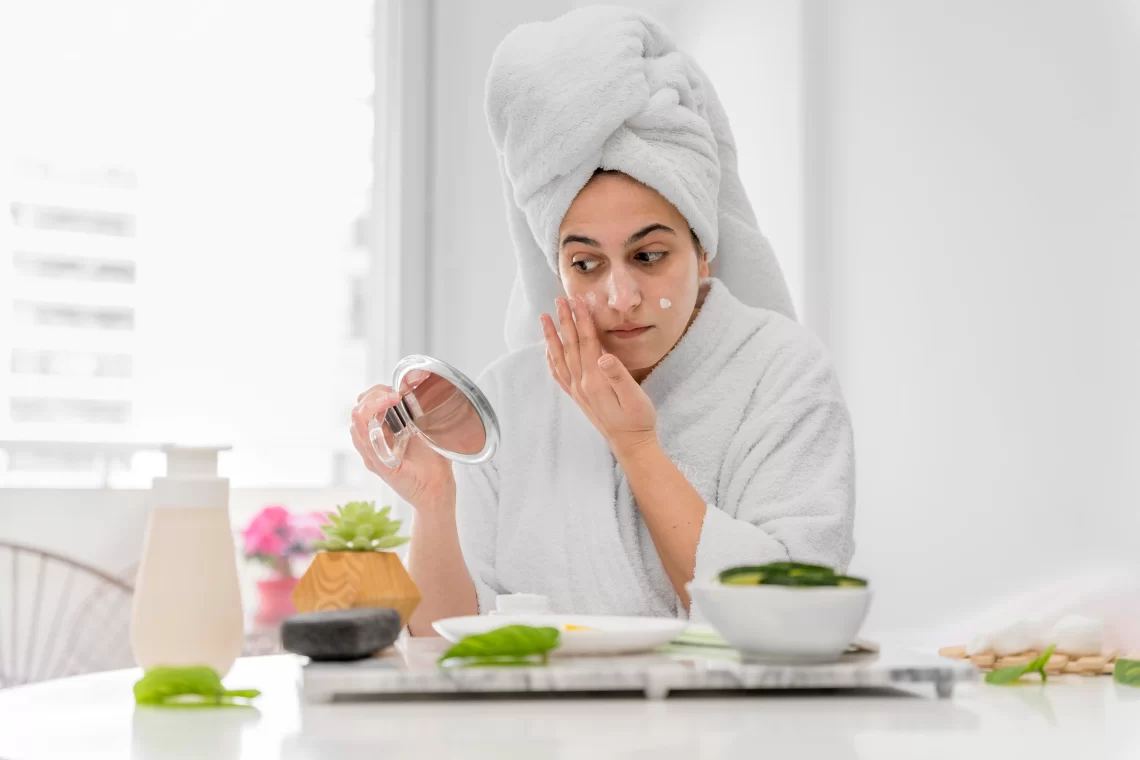
Health is often discussed in terms of major organs, fitness, or chronic diseases, but the skin is frequently overlooked despite being the body’s largest and most visible organ. Skin health and aesthetic care play a vital role not only in physical protection but also in mental well-being, self-esteem, and early disease detection. From chronic skin conditions to aesthetic concerns, caring for the skin is an important part of a holistic health approach.
Modern skin care goes beyond cosmetic appearance. It involves medical expertise, preventive care, lifestyle awareness, and safe aesthetic practices. Understanding how dermatology and aesthetic care fit into overall health helps individuals make informed and responsible decisions.
Also Read: Preventive Care and Specialized Treatments: Enhancing Modern Healthcare
Why Skin Health Is Central to Overall Health?
The skin acts as the body’s first line of defense. It protects against infections, environmental toxins, ultraviolet radiation, and physical injury. When the skin barrier is compromised, the risk of inflammation, infection, and systemic health issues increases.
Conditions such as eczema, psoriasis, acne, chronic infections, and allergic reactions are not merely surface problems. They often reflect underlying immune, hormonal, or metabolic imbalances. Long-standing skin inflammation has been linked to stress, sleep disturbances, anxiety, and reduced quality of life.
Healthy skin also plays a role in temperature regulation, sensory perception, and vitamin D synthesis. Maintaining skin integrity is therefore essential for both physical and mental wellness.
The Medical Role of a Dermatologist
A Dermatologist is a medical specialist trained to diagnose and treat diseases of the skin, hair, nails, and mucous membranes. Their expertise extends far beyond cosmetic concerns. Dermatologists manage conditions such as acne, rosacea, fungal infections, autoimmune skin disorders, pigmentary conditions, hair loss, and skin cancers.
Early diagnosis is one of the most important contributions of dermatology to public health. Skin cancers, including melanoma, can often be detected early during routine examinations. Prompt treatment significantly improves survival and reduces the need for extensive procedures.
Dermatologists also address chronic conditions that require long-term care plans. These plans often involve medical treatment, lifestyle modification, trigger identification, and patient education. This medical foundation ensures that aesthetic treatments, when chosen, are safe and appropriate for the individual’s skin condition.
Also Read: DIY: Daily Skin Care Routine For Glowing Skin At Home
Aesthetic Care as a Part of Modern Wellness
Aesthetic care has evolved significantly over the past decade. It is no longer limited to vanity-driven treatments. When practiced responsibly, aesthetic medicine focuses on skin health, prevention of premature aging, and restoration of skin function and appearance.
An aesthetic clinic provides non-surgical procedures that may include skin rejuvenation treatments, acne scar management, pigmentation correction, anti-aging therapies, and hair restoration solutions. These treatments are often combined with medical skin care to achieve balanced and natural results.
Aesthetic care can positively impact confidence and emotional well-being, especially for individuals dealing with visible skin concerns that affect social interactions or self-image. When guided by medical assessment, aesthetic treatments complement dermatological care rather than replace it.
Why Medical Evaluation Is Important Before Aesthetic Treatments?
One of the most critical aspects of safe aesthetic care is proper medical evaluation. Not all skin concerns are purely cosmetic. Pigmentation changes, persistent redness, non-healing lesions, or sudden hair loss may indicate underlying medical conditions.
A medical assessment ensures that aesthetic procedures do not mask symptoms of more serious problems. It also helps tailor treatments to skin type, age, medical history, and lifestyle factors. This approach minimizes complications and improves long-term outcomes.
Responsible aesthetic care always prioritizes skin health over short-term cosmetic results.
Also Read: How Specialized Care and Interventional Radiologists Shape Health
Lifestyle Factors That Influence Skin Health and Aesthetic Care
Skin health is deeply influenced by daily habits. No treatment, medical or aesthetic, can compensate for poor lifestyle choices over time. Nutrition plays a crucial role in skin repair and regeneration. Diets rich in antioxidants, vitamins, healthy fats, and adequate protein support collagen production, wound healing, and inflammation control. Poor nutrition can worsen acne, dullness, premature aging, and delayed recovery after procedures.
Sleep is another essential factor. Skin undergoes repair and regeneration during deep sleep cycles. Chronic sleep deprivation accelerates aging, worsens pigmentation, and increases inflammatory skin conditions.
Stress management is equally important. Stress hormones disrupt the skin barrier, increase oil production, and trigger flare-ups of acne, eczema, and psoriasis. Mindfulness, regular physical activity, and emotional support all contribute to healthier skin.
Recovery, Healing, and the Role of Nutrition
Whether you’re recovering from a skin procedure, aesthetic treatment, or a serious health condition, your body needs proper care and nutrition. Healing happens throughout the body, not just in one area. Good nutrition helps reduce inflammation, boosts immunity, and supports faster healing, while skin changes often reflect what’s happening inside during recovery.
Nutrition plays a vital role in healing and recovery across medical conditions by supporting immunity, reducing inflammation, and restoring overall health. Read for detailed explaination cancer recovery with nutrition and surgery.
Choosing a Responsible Approach to Skin and Aesthetic Health
The growing popularity of aesthetic treatments makes informed decision-making more important than ever. Skin treatments should never be impulsive or trend-driven. Long-term skin health depends on evidence-based care, medical supervision, and realistic expectations.
A balanced approach includes regular skin evaluations, preventive care, medically guided aesthetic treatments when needed, and consistent lifestyle support. This combination ensures results that are not only visible but also sustainable.
Conclusion
Skin contribute to the body’s overall health, boosts emotional confidence, and quality of life. Medical dermatology provides the foundation for diagnosing and treating skin conditions, while aesthetic care, when practiced responsibly, enhances skin function and appearance.
True wellness lies in integration, where medical expertise, aesthetic care, nutrition, and lifestyle habits work together. By respecting the medical nature of skin care and supporting the body from within, individuals can achieve healthier skin and long-term confidence without compromising safety or health.
Also Read: Ultimate 2500 Calorie Meal Plan for Gym-Goers to Shred Fat