Considering a hair replacement? Choosing the best hair transplant clinic is crucial for achieving safe, natural-looking results. In this blog, we’ll walk you through the key factors to consider before starting your treatment journey.
Hair loss is not just a cosmetic concern for many; it touches on self-esteem, social confidence, and even personal identity. Men and women alike seek solutions when hair thinning progresses to noticeable bald spots or receding hairlines. Among the options available today, hair transplantation offers one of the most effective and permanent answers. But success is never guaranteed. The results of a hair replacement depend heavily on where and how the procedure is performed. Factors such as surgical expertise, equipment quality, and aftercare all determine whether the outcome is natural and long-lasting or disappointing and difficult to reverse.
Before beginning the journey toward restored hair, it is important to understand how hair transplantation differs from other hair-related cosmetic treatments. Non-surgical procedures like laser hair removal or IPL can be helpful for certain needs, but they serve different purposes entirely. For example, articles like Laser Hair Removal vs. IPL: What’s the Difference? Offer helpful insights for those trying to navigate these various treatment paths. Knowing the role of each option helps patients set clear goals when considering a surgical solution such as a hair transplant.
Also Read: 5 Affordable Skincare Products Under ₹500
How Hair Transplant Surgery Works?
At its core, hair transplant treatment involves moving healthy hair follicles from a donor site, usually the back or sides of the scalp, to the areas where hair is thinning or lost. Because these follicles are genetically resistant to balding, they continue to grow in their new location for many years to come.
Two primary methods are used. The first is Follicular Unit Transplantation (FUT), in which a thin strip of scalp is removed and dissected into grafts. The second is Follicular Unit Extraction (FUE), which involves removing individual follicular units and implanting them into the recipient area.
Both approaches aim to regrow receding hairline naturally and restore density while minimizing scarring. The right method for any individual depends on factors such as hair type, the degree of hair loss, donor hair availability, and patient preferences.
The Value of Experience and Technology in the Process
While the science behind hair transplantation is well established, the artistry required for optimal results should not be underestimated. Subtle details from the angle of follicle placement to hairline design dramatically impact how natural the outcome looks.
This is where the choice of a hair transplant clinic plays a vital role. Clinics led by experienced surgeons and equipped with advanced tools consistently achieve better results. Not only does the surgeon’s skill matter, but so do the supporting technologies, such as high-resolution microscopes for graft preparation and modern FUE extraction devices that reduce trauma to follicles.
In addition, the clinic’s protocols for anesthesia, sterilization, and post-operative care contribute to patient comfort and safety. Clinics that offer thorough follow-up ensure patients are guided through the recovery period, minimizing risks such as infection, poor graft survival, or unnatural hair patterns.
Also Read: Managing Skin Issues in Diabetes With an Expert Treatment
Consultation & Planning at the Best Hair Transplant Clinic
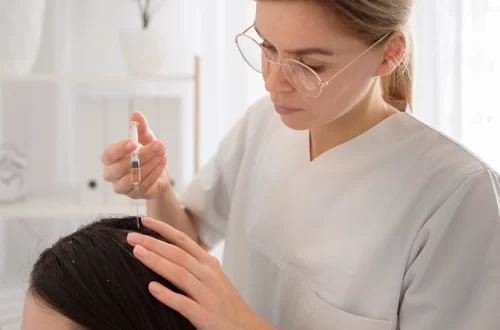
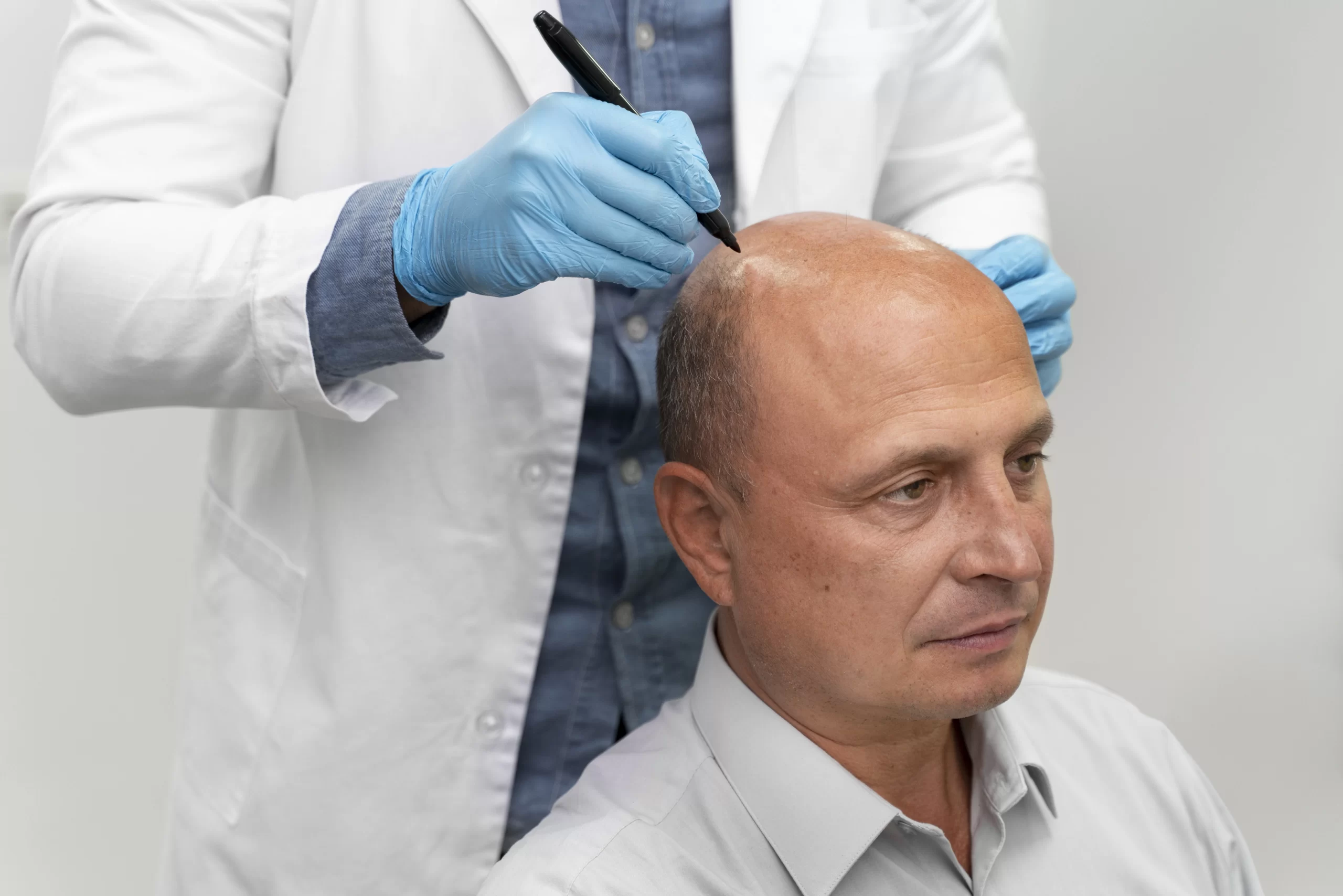
A thorough pre-surgical consultation is one of the hallmarks of a good hair transplant clinic. This first meeting should involve more than a simple sales pitch; it should be an educational and diagnostic session.
A reputable clinic will assess the patient’s medical history, analyze the scalp and hair characteristics, and discuss realistic goals. Not everyone is an ideal candidate for surgery, and ethical practitioners will advise against it if needed. For example, those with diffuse unpatterned alopecia, certain scalp conditions, or insufficient donor density may be encouraged to explore other options first.
Equally important is the development of a personalized treatment plan. Clinics that prioritize patient-centered care design hairlines that suit the individual’s facial structure, age, and lifestyle rather than relying on generic templates. This attention to detail helps ensure the final result looks both natural and age-appropriate.
The Journey After Surgery
Hair transplant surgery is just the beginning of a process that unfolds over many months. Immediately after the procedure, the scalp may feel tender, and some redness or swelling is normal. Shedding of the transplanted hair shafts occurs in the first few weeks, a completely natural phase that makes way for new growth.
Visible regrowth typically starts around the third or fourth month post-surgery. Hair continues to thicken over time, with the full aesthetic result often seen at nine to twelve months. Throughout this period, following post-operative instructions is critical.
A supportive hair transplant clinic will provide patients with clear aftercare guidance, from how to wash the scalp, to when it is safe to resume exercise, to which products help maintain scalp health. In the months that follow, regular follow-up appointments help track progress and address any questions that arise.
Also Read: Lose Weight in 15 Days With Jeera Water
Setting Realistic Expectations
One of the most valuable services a quality clinic offers is managing expectations. While hair transplantation can significantly restore appearance and confidence, patients need to understand what is achievable.
A single session may not fully restore youthful density, especially in advanced cases of hair loss. Multiple sessions may be needed over time, particularly if hair loss is ongoing.
Additionally, patients should be aware that transplanted hairs will grow according to their natural characteristics, meaning curl, texture, and density will match the donor area, not the original hair that was lost. A skilled surgeon will blend these new hairs seamlessly, but results depend on realistic goals and thorough planning.
The Benefits of a Comprehensive Approach
The best outcomes often come from a clinic that takes a holistic view of hair restoration. Many modern practices combine surgical transplantation with medical therapies, such as topical minoxidil, oral finasteride, or PRP (platelet-rich plasma) treatments.
This combined strategy helps maintain existing hair, slow future loss, and enhance the density achieved by surgery. A multidisciplinary team, including dermatologists as well as hair transplant specialists, can provide a more comprehensive approach to both the cosmetic and medical aspects of hair restoration.
Ultimately, patients should seek out a clinic where the focus is on long-term hair health, not just quick fixes. A patient-first philosophy, supported by proven techniques and thoughtful aftercare, leads to the most satisfying results.
Conclusion
Choosing where to undergo hair transplantation is one of the most important decisions a person with hair loss will make. With so many options available today, from budget chains to luxury centers, the key is to look beyond marketing and focus on clinical excellence.
The right hair transplant clinic combines experienced surgical expertise, advanced tools, and a personalized approach to care. From the first consultation through long-term follow-up, patients should feel supported, informed, and confident that their goals are being respected.
With thoughtful planning, expert care, and realistic expectations, hair transplantation can offer life-changing results, helping individuals not only regain lost hair but also restore a sense of confidence and well-being.
Also Read: Ultimate 2500 Calorie Meal Plan for Gym-Goers to Shred Fat