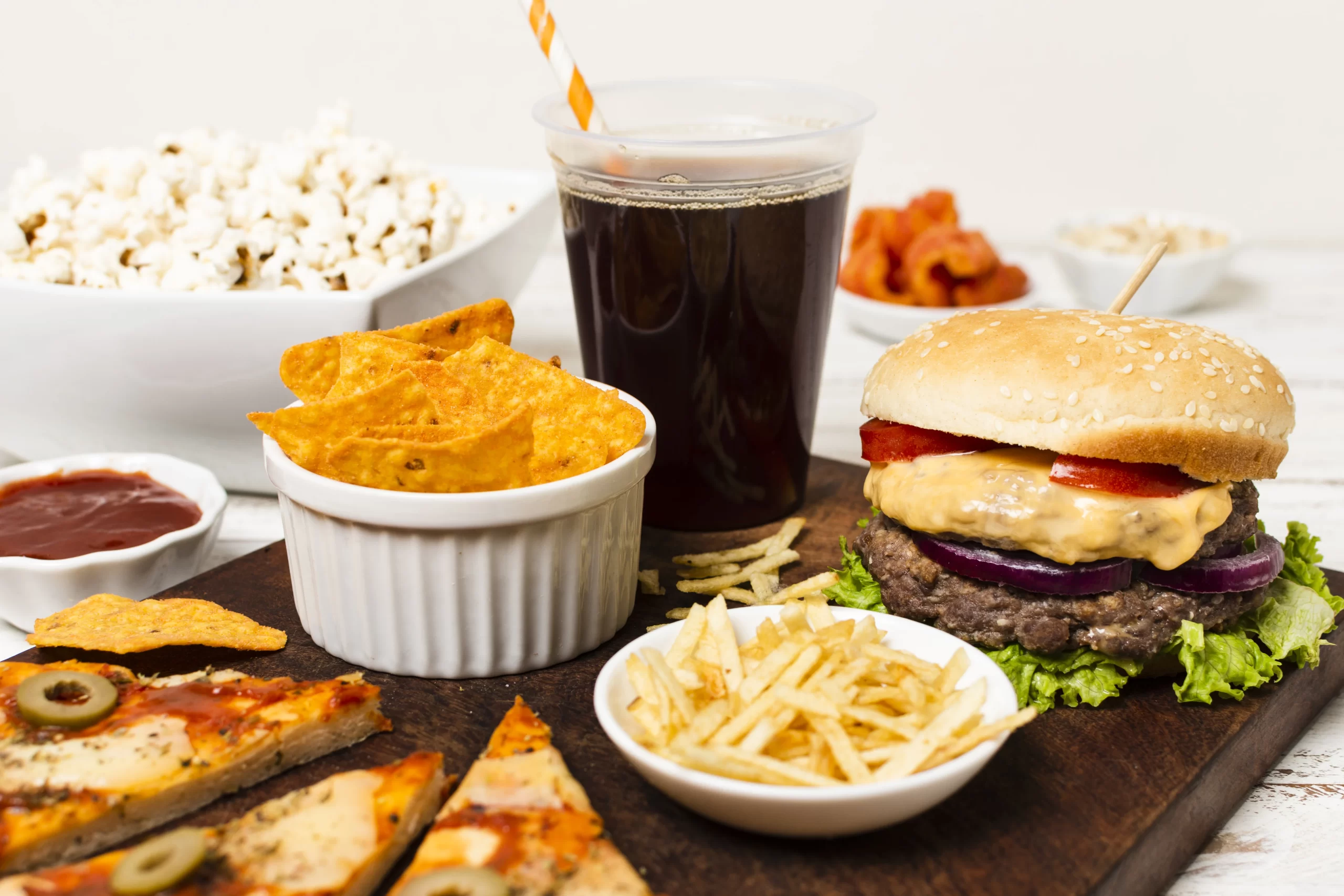
When you go grocery shopping, it’s easy to get drawn into the aisles filled with bright packages and ready-to-eat snacks. However, many of these items fall under the category of ultra-processed foods—products that are heavily altered with additives, preservatives, refined sugars, and unhealthy fats. Here’s a list of the top 10 ultra-processed foods to avoid—and some healthier swaps.
While they may offer convenience, research shows that eating junk foods regularly can increase the risk of obesity, diabetes, high blood pressure, heart disease, and even certain cancers. They are often calorie-dense but nutrient-poor, meaning they fill you up without truly nourishing your body.
Also Read: Healthy Low Calorie Snacks for Weight Loss to Your Daily Routine
What are the Top 10 Ultra-Processed Foods?
1. Sugary Breakfast Cereals
The crunchy sweetness of cereals makes them a morning favorite, but most are loaded with refined sugar, artificial flavorings, and very little fiber. These spikes in sugar can cause energy crashes and increase cravings later in the day.
Healthier Swap: Choose whole-grain oats, sugar-free granola, or make your own muesli with nuts and dried fruit.
2. Soda & Sugary Drinks
Sodas and soft drinks are among the biggest sources of added sugar in modern diets. Beyond calories, they offer no nutrition and are strongly linked to obesity, type 2 diabetes, and heart disease. Even “diet sodas” may disrupt metabolism and cravings.
Healthier Swap: Replace soda with sparkling water, coconut water, or fresh fruit-infused water.
3. Instant Noodles
Instant noodles are cheap and convenient but contain high sodium, saturated fats, and chemical additives. Eating them frequently raises the risk of high blood pressure and poor heart health.
Healthier Swap: Try whole-grain or rice noodles with homemade broth and fresh vegetables.
4. Processed Meats
Bacon, sausages, salami, and deli meats may taste delicious, but are high in sodium, preservatives, and nitrates. Studies link them to a higher risk of colorectal cancer and heart disease.
Healthier Swap: Opt for fresh poultry, fish, or plant-based proteins like lentils and chickpeas.
5. Processed Snacks
Chips, crackers, and cheese puffs are often fried in unhealthy oils and are full of trans fats, salt, and empty calories. They may satisfy cravings in the moment, but can harm cardiovascular health over time.
Healthier Swap: Choose air-popped popcorn, mixed nuts, or roasted chickpeas.
Also Read: The Key Of Happiness: Sudarshan Kriya Art of Living
6. Sweetened Yogurts
Flavored yogurts marketed as “healthy snacks” often hide large amounts of added sugar, which can outweigh the probiotic benefits.
Healthier Swap: Eat plain Greek yogurt with fresh fruits or a drizzle of honey for natural sweetness.
7. Microwave Popcorn
While quick and tasty, many microwave popcorn brands are coated with artificial butter flavoring, preservatives, and too much sodium.
Healthier Swap: Make air-popped popcorn at home and season it with olive oil, garlic powder, or herbs.
8. Frozen Pizza
A frozen pizza may be convenient, but it usually contains refined flour, processed cheese, excessive sodium, and preservatives. Regular consumption can increase the risk of weight gain and heart problems.
Healthier Swap: Make your own pizza using whole-wheat dough, fresh veggies, and lean protein toppings.
9. Energy Bars
Not all energy bars are as healthy as they seem. Many contain high amounts of sugar, artificial syrups, and unhealthy oils.
Healthier Swap: Look for bars made with nuts, seeds, oats, and natural sweeteners—or make your own at home.
10. Bottled Salad Dressings
Store-bought dressings often contain hidden sugars, unhealthy oils, and additives. Even “low-fat” versions may include extra sugar for flavor.
Conclusion:
The rise of ultra-processed foods has made it easier than ever to choose convenience over nutrition. But small, consistent swaps can have a big impact on your health. By avoiding these 10 ready-to-eat foods and replacing them with whole, nutrient-dense options like fruits, vegetables, nuts, lean meats, and legumes, you’ll nourish your body with what it truly needs.
Remember: eating clean doesn’t mean giving up flavor or satisfaction. It’s about choosing foods closer to their natural state and reducing reliance on items loaded with chemicals and empty calories.
Also Read: 5 Expert Tips to Regrow a Receding Hairline
Annu Seepal