
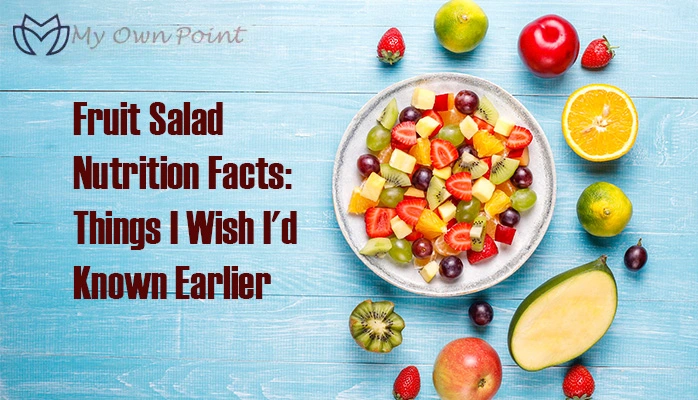
Living a healthy lifestyle means making choices that improve your overall well-being. From a balanced diet to regular exercise, every small effort contributes to better energy levels, stronger immunity, and long-term health. One simple and delicious way to support this lifestyle is by enjoying a bowl of fresh fruit salad. Fruit salad nutrition is packed with vitamins, minerals, and antioxidants.
Over the years, fruit salad has evolved into many styles across the world. For example, the English compote from the 17th century, creamy versions with mayonnaise in Europe, orange and sour cream mixes in America, and coconut with condensed milk in the Philippines and Guam. While earlier versions often used canned fruits and heavy dressings, today’s trend is moving toward fresh, seasonal, and wholesome combinations.
Let’s explore the nutritional value and health benefits of fruit salad, along with some serving ideas you can try.
Also Read: Top 10 Anti Ageing Foods for Skin – You Need to Try Now
Healthy Fruit Salad Nutrition Facts and Analysis
Here is some nutritional value of fruit salad you must consider:
1. Natural Ingredients
Fruit salad is made from a mix of fresh fruits like apples, bananas, oranges, berries, grapes, and seasonal options. To add variety, people often include toppings such as yogurt, almonds, pomegranate seeds, or dried cranberries. You can also add a citrus zest or a squeeze of lime to make it more refreshing.
2. Health Benefits of Fruit Salad
A fruit salad bowl is more than just a snack—it’s a nutrient-rich meal with:
- Vitamins and Minerals: Boosts immunity and fights free radicals.
- Fiber: Supports digestion, reduces cholesterol, and balances blood sugar.
- Antioxidants: Protect cells from oxidative stress and lower the risk of heart disease and cancer.
- Low Calories: A filling yet light option that helps maintain a healthy weight.
For example, avocados provide Vitamin K, apples are rich in fiber and flavonoids, while citrus fruits are excellent sources of Vitamin C.
3. Calories in Fresh Fruit Salad
The calorie count of a fruit salad depends on the type of fruits and dressings used. On average, 1 cup of fruit salad contains around 80–120 calories (without cream or heavy toppings). Adding cool whip, yogurt, or nut-based dressings will slightly increase the calorie content—but also add extra nutrients.
This makes fruit salad a smart choice for weight management and a perfect mid-day snack.
4. Nutritional Value Breakdown
Here’s a quick look at the nutrition profile of a standard fruit salad (per cup, without dressing):
- Calories: 80–120
- Carbohydrates: 20–25g
- Fiber: 3–4g
- Vitamin C: 40–60% of daily requirement
- Potassium: 300–400mg
- Antioxidants: Vary depending on fruit mix
These nutrients help maintain good heart health, strengthen bones, and improve skin texture.
5. Serving Ideas for Fruit Salad
Fruit salad is versatile and can be enjoyed in multiple ways:
- Classic Mix: Fresh seasonal fruits with a drizzle of lime juice.
- Creamy Version: Add Greek yogurt or cottage cheese for extra protein.
- Tropical Style: Mix in coconut flakes, pineapple, and mango.
- Party Bowl: Top with honey, mint leaves, or granola for added crunch.
Pro Tip: Always chop fruits just before serving to retain freshness and prevent browning.
Also Read: The Key Of Happiness : Sudarshan Kriya Art of Living
Fruit Salad Recipes With Nutrition Facts
Whether you’re dining out or preparing a meal at home, knowing the different types of salads can help you pick a healthy and delicious option. Here are five everyday salads you’re most likely to come across:
1. Garden Salad
A garden salad is a timeless classic made with fresh greens like lettuce, spinach, or mixed veggies. Common ingredients include cucumbers, tomatoes, carrots, and radishes. It’s a light and versatile choice that can also be topped with grilled chicken, shrimp, or cheese for added protein.
2. Caesar Salad
One of the most popular types, the Caesar salad is prepared with crisp romaine lettuce, crunchy croutons, parmesan cheese, and a creamy Caesar dressing. To make it more filling, it’s often served with anchovies or grilled chicken.
3. Cobb Salad
The Cobb salad is a protein-packed option featuring chopped tomatoes, avocado, bacon, hard-boiled eggs, grilled chicken (or turkey), scallions, and blue cheese. It’s usually paired with ranch or blue cheese dressing, making it a hearty and satisfying meal.
4. Greek Salad
A vibrant and refreshing option, the Greek salad includes tomatoes, cucumbers, red onions, Kalamata olives, and feta cheese. It’s seasoned with oregano and drizzled with olive oil and lemon juice for a zesty Mediterranean flavor.
5. Caprese Salad
Simple yet flavorful, the Caprese salad combines fresh mozzarella cheese, ripe tomatoes, and basil leaves. A drizzle of olive oil or balsamic glaze completes this Italian favorite, known for its refreshing taste.
Conclusion
A bowl of fruit salad nutrition offers a perfect blend of taste and health. From fiber and vitamins to antioxidants, it gives your body essential nutrients while keeping calories low. Whether you enjoy it plain, creamy, or tropical, fruit salad is one of the easiest ways to embrace a healthy lifestyle.
Also Read: Top 10 Anti Ageing Foods for Skin – You Need to Try Now